Page >> About
Your Heading
Keeping fingers green
Welcome to Evergreen Blooms, your premier destination for high-quality plant pots and gardening supplies in the UK. We are passionate about helping gardening enthusiasts—from beginners to seasoned experts—cultivate their green spaces with style and ease. Our carefully curated selection of durable, beautifully designed pots and essential gardening tools ensures that every plant can thrive in the best possible conditions.
At Evergreen Blooms, we believe that every garden tells a story. That’s why we are dedicated to providing exceptional products that inspire creativity and foster a love for nature. Whether you’re looking to beautify your home with indoor plants or create a vibrant outdoor oasis, our team is here to support you every step of the way. Join us in nurturing your gardening passion and watch your plants flourish.
1+
YEARS EXPERIENCE
About Our Company
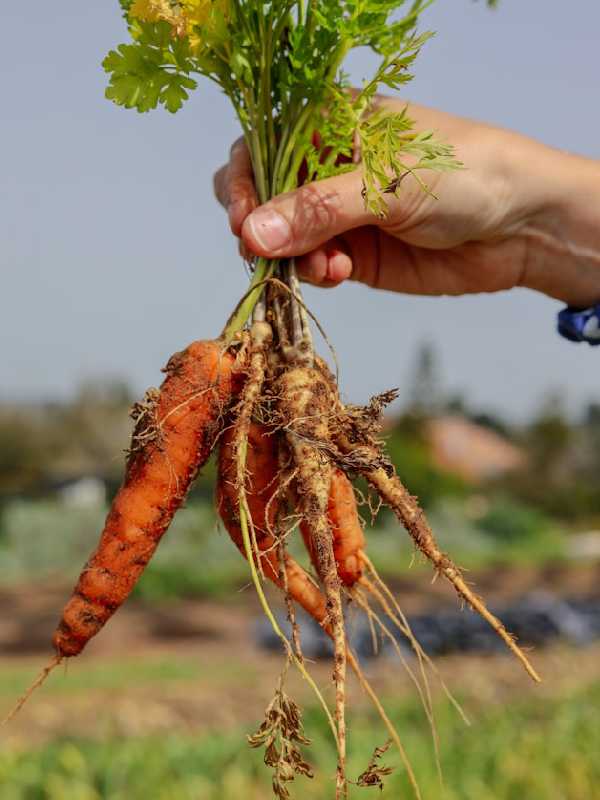
Organic foods are produced through a farming system that avoids the use of synthetic pesticides, herbicides, genetically modified organism (GMOs), and artificial fertilizers. Instead, organic farmers rely on natural methods like crop rotation. composting, and biological pest control.
Quality planting
Guide to planting
Selecting the Right Pot
Size
Choose a pot that is at least 5-10 gallons (12-18 inches deep and wide) to accommodate the root system.
Material
Terracotta, plastic, or fabric pots are suitable. Ensure they have adequate drainage holes. Here at Evergreen we supply a wide range of pots suitable for all your needs.
Choosing the Right Soil
Use a well-draining potting mix enriched with organic matter.
Aim for a soil pH of 6.0 to 7.0 for optimal growth.
Seed Preparation
Selection: Purchase seeds from a reputable source, choosing a variety suited for your climate.
Soaking
Soak seeds in water for 4-6 hours before planting to enhance germination.
Best Time of Year to Plant
Indoors:
Start seeds indoors 4-6 weeks before the last frost date if you have a short growing season.
Outdoors
Directly sow seeds outdoors after the last frost, when soil temperatures are consistently above 60°F (usually late spring).
Planting the Seeds
Indoors:
Fill seed trays or pots with moist potting mix, leaving about half an inch of space at the top.
Plant seeds 1 inch deep and about 2-3 inches apart.
Water gently to keep the soil consistently moist.
Outdoors:
Prepare the garden bed by loosening the soil and removing weeds.
Sow seeds 1 inch deep and 6-12 inches apart in rows spaced 3 feet apart.
Watering
Keep the soil consistently moist, especially during germination (about 7-14 days).
Once established, water deeply but less frequently, allowing the top inch of soil to dry out between waterings (approximately once a week).
Light Requirements
Green runner beans thrive in full sunlight, requiring at least 6-8 hours of direct sunlight daily.
Ensure pots are placed in a sunny location if growing indoors.
Fertilizing
Beans generally don’t require much fertilizer, but you can apply a balanced fertilizer (10-10-10) at half strength once plants are about 6 inches tall.
Avoid high-nitrogen fertilizers, as beans fix their own nitrogen.
Pest and Disease Management
Monitor for common pests such as aphids, spider mites, and slugs.
Use organic methods like insecticidal soap or neem oil if infestations occur.
Rotate crops and provide good air circulation to minimize disease risks.
Supporting the Plants
As runner beans are climbing plants, provide support with trellises, stakes, or netting.
Install supports early to avoid damaging roots and to help the plants grow vertically.
Harvesting
Harvest beans when they are young, tender, and about 6-8 inches long.
Use scissors or pruning shears to cut beans from the plant to avoid damaging the stems.
Conclusion
With the right care and conditions, your green runner beans will flourish, providing you with delicious, fresh produce. Follow these steps to enjoy a bountiful harvest and enhance your gardening experience!
Selecting the Right Pot
Size
Choose a pot that is at least 5-10 gallons (12-18 inches deep and wide) to accommodate the root system.
Material
Terracotta, plastic, or fabric pots are suitable. Ensure they have adequate drainage holes. Here at Evergreen we supply a wide range of pots suitable for all your needs.
Choosing the Right Soil
Use a well-draining potting mix enriched with organic matter.
Aim for a soil pH of 6.0 to 7.0 for optimal growth.
Seed Preparation
Selection: Purchase seeds from a reputable source, choosing a variety suited for your climate.
Soaking: Soak seeds in water for 4-6 hours before planting to enhance germination.
Best Time of Year to Plant
Indoors: Start seeds indoors 4-6 weeks before the last frost date if you have a short growing season.
Outdoors: Directly sow seeds outdoors after the last frost, when soil temperatures are consistently above 60°F (usually late spring).
Planting the Seeds
Indoors:
Fill seed trays or pots with moist potting mix, leaving about half an inch of space at the top.
Plant seeds 1 inch deep and about 2-3 inches apart.
Water gently to keep the soil consistently moist.
Outdoors:
Prepare the garden bed by loosening the soil and removing weeds.
Sow seeds 1 inch deep and 6-12 inches apart in rows spaced 3 feet apart.
Watering
Keep the soil consistently moist, especially during germination (about 7-14 days).
Once established, water deeply but less frequently, allowing the top inch of soil to dry out between waterings (approximately once a week).
Light Requirements
Green runner beans thrive in full sunlight, requiring at least 6-8 hours of direct sunlight daily.
Ensure pots are placed in a sunny location if growing indoors.
Fertilizing
Beans generally don’t require much fertilizer, but you can apply a balanced fertilizer (10-10-10) at half strength once plants are about 6 inches tall.
Avoid high-nitrogen fertilizers, as beans fix their own nitrogen.
Pest and Disease Management
Monitor for common pests such as aphids, spider mites, and slugs.
Use organic methods like insecticidal soap or neem oil if infestations occur.
Rotate crops and provide good air circulation to minimize disease risks.
Supporting the Plants
As runner beans are climbing plants, provide support with trellises, stakes, or netting.
Install supports early to avoid damaging roots and to help the plants grow vertically.
Harvesting
Harvest beans when they are young, tender, and about 6-8 inches long.
Use scissors or pruning shears to cut beans from the plant to avoid damaging the stems.
Conclusion
With the right care and conditions, your green runner beans will flourish, providing you with delicious, fresh produce. Follow these steps to enjoy a bountiful harvest and enhance your gardening experience!
Farm Growing
Begin by conducting thorough soil tests to understand its composition, pH levels, and nutrient.
STEP - 03
Crop Harvesting
Begin by conducting thorough soil tests to understand its composition, pH levels, and nutrient.
STEP - 04
Food Processing
Begin by conducting thorough soil tests to understand its composition, pH levels, and nutrient.
Our Company in Numbers
Proin aliquam urna ac suscipit semper. Integer magna urna, laoreet at ligula eget, congue rutrum justo. Suspendisse ac mollis risus.
500+
Types Of Product
500+
Experts Working
500%
Clients Satisfaction
500k
Product Delivery